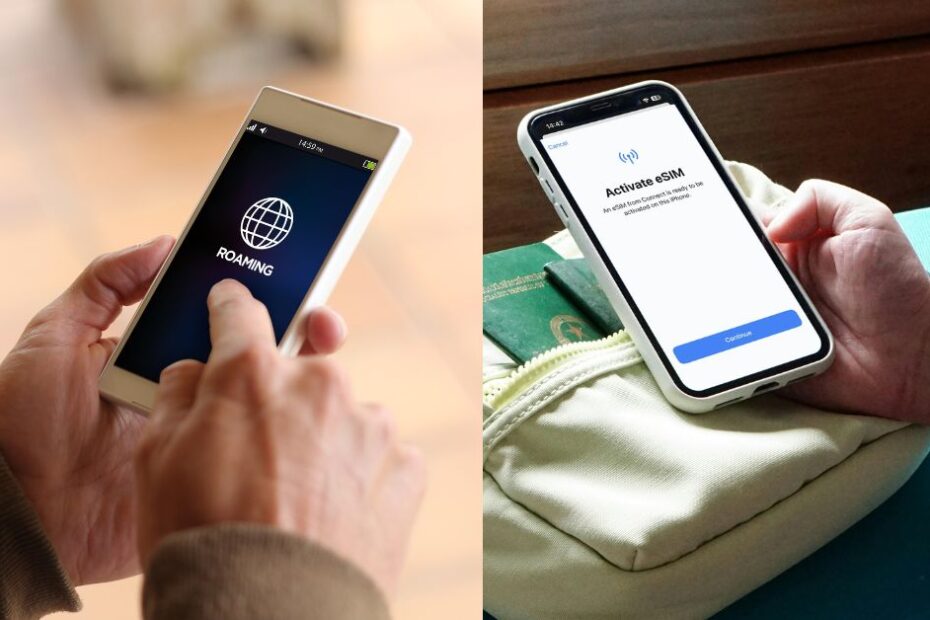
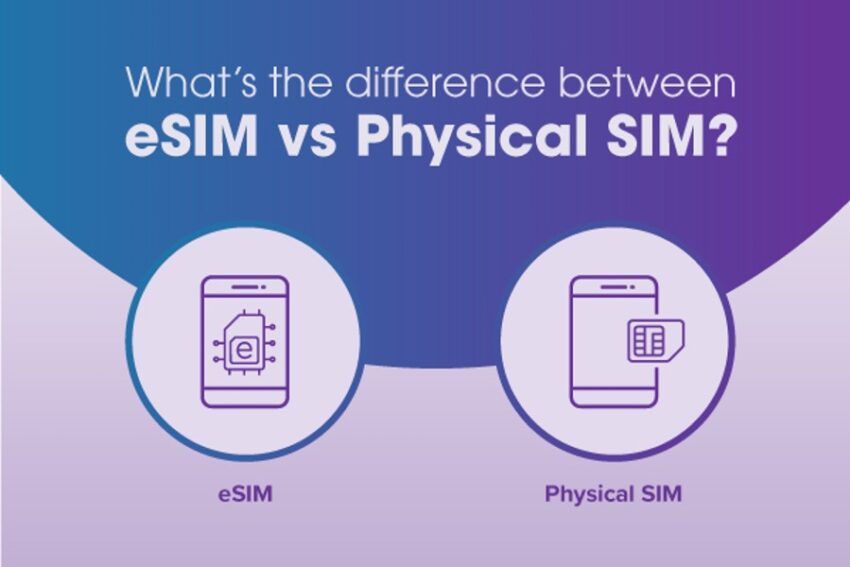
Detailed comparison of travel eSIMs versus physical local SIM cards. For years, international travelers followed a familiar ritual: landing at an airport, queuing up at a local cellular kiosk, presenting their passport, and purchasing a plastic SIM card to slide into their phone’s tray.
Today, embedded SIM (eSIM) technology offers a digital alternative. This article analyzes connection speeds, convenience, network coverage, security, and pricing structures to help you choose the best option for your next trip.
1. Introduction: The Mobile Connectivity Debate
Choosing the right mobile connectivity option is a critical pre-travel decision that directly shapes your trip experience. In a foreign country, a reliable cellular connection is not just for sharing photos on social media; it is a vital safety tool. It runs your digital maps, ride-hailing coordination, banking verification, security notices, and instant translation tools.
For years, the standard approach was simple: buy a physical, plastic local SIM card upon landing. However, the introduction of embedded SIM (eSIM) technology has transformed this connectivity model. In fact, major smartphone manufacturers are shifting away from physical cards entirely-such as Apple removing physical SIM card trays from US iPhones since the iPhone 14 series. The debate between using a prepaid travel eSIM or a physical local SIM is no longer just about finding the cheapest rate per gigabyte. It touches on key aspects of hardware security, convenience, dual-SIM support, and cellular network coverage. This guide provides a detailed analysis of both options to help you select the best fit for your destination, device, and travel style.
2. What is an eSIM and How Does It Work?
An eSIM (embedded SIM) is a programmable microchip (specifically an eUICC, or embedded Universal Integrated Circuit Card) that is soldered directly onto your smartphone’s motherboard during manufacturing. It is about a fraction of the size of a nano-SIM and is designed to store multiple network profiles electronically.
Instead of inserting a plastic card to register on a cellular network, you download a digital carrier profile over the air using Remote SIM Provisioning (RSP) standards:
- Storage Capacity: A standard eSIM chip can store between 5 and 10 digital SIM profiles simultaneously, depending on device memory, though only one or two can be active at any given time.
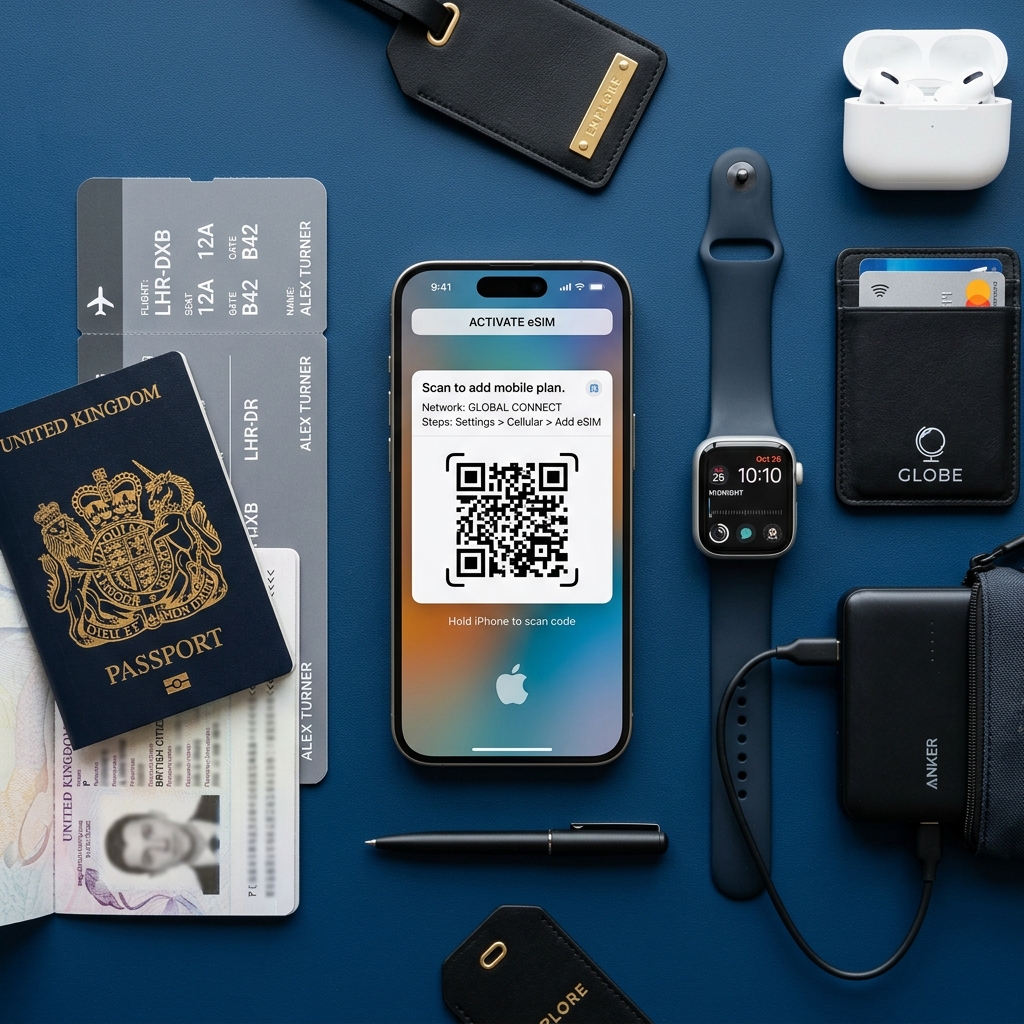
- On-The-Fly Activation: When you buy a plan, the provider provides a QR code or an in-app trigger that points your phone to an SM-DP+ server. Your phone downloads the credentials securely over the internet, saving them on the chip.
- Menu-Based Switching: You can easily swap between active network profiles directly through your phone’s cellular settings menu, making it easy to transition from your home carrier to a foreign network without touching the phone’s hardware.
3. What is a Local Physical SIM Card?
A traditional physical SIM (Subscriber Identity Module) card is a removable plastic card containing an integrated circuit chip. First introduced in 1991, physical SIM cards have shrunk over the decades from credit card sizes down to Mini-SIM, Micro-SIM, and the current industry standard Nano-SIM, which measures just 12.3mm by 8.8mm.
Inside a physical SIM card is a microchip that stores your IMSI (International Mobile Subscriber Identity) number, network authorization keys, and contact lists. This plastic card must be inserted into your phone’s SIM tray to connect to a carrier’s network.
When traveling, you can purchase these cards at airport arrival halls, carrier retail stores, street-side kiosks, or local convenience stores (like 7-Eleven or Lawson) at your destination. Unlike data-only travel eSIMs, physical local SIMs are native subscriber profiles. They typically include a local phone number, a prepaid data package, and local voice calling minutes and text messages. This makes them useful in destinations where you need a local number to book taxi services, make restaurant reservations, or register for public Wi-Fi networks.
4. Convenience and Activation Speed Comparison
When it comes to convenience, eSIMs offer a significant operational advantage over physical cards, particularly during transit:
- Pre-Travel Installation: You can purchase, download, and configure a travel eSIM plan from the comfort of your home the day before departure. Once your flight lands and you turn off Airplane Mode, the eSIM immediately registers on the local partner network. This allows you to order a ride-sharing service, check map navigation, or contact family without ever stepping foot in an airport retail queue.
- Airport Queueing and Tourist Scams: Purchasing a physical SIM card upon landing requires waiting in long lines at airport kiosks, which are notorious for charging inflated tourist markups. In many destinations, airport vendors only sell premium, high-cost packages, while standard budget plans are kept for local retail outlets in city centers.
- Regulatory Hurdles: In many countries (such as Japan, India, and parts of Europe), local telecom laws require physical SIM buyers to submit passport photocopies, fill out paper forms, and undergo identity verification. This process is time-consuming and presents potential security risks to your personal identity documents.
- Handling and Loss Risks: Physical SIM cards are tiny, delicate, and easy to lose. Swapping cards requires a SIM ejector tool or a paperclip. Storing your primary home SIM card in a wallet or bag during a trip poses a high risk of loss or physical damage. With an eSIM, there is zero hardware to touch, lose, or break.
5. Network Coverage and Connection Speeds
Network performance, coverage, and connection speeds are not determined by whether the SIM is physical or digital. Instead, they depend on the underlying carrier agreements and data routing paths.
- eSIM Coverage and Multi-Network Redundancy: Travel eSIM profiles operate through international roaming agreements. While this sounds like a drawback, it actually provides a key benefit: multi-network access. Many premium travel eSIMs partner with two or more local carriers in the destination country. For example, a travel eSIM in the UK might allow you to connect to both EE and O2. If you enter an area with poor EE coverage, you can open your cellular settings, disable automatic network selection, and manually switch to O2.
- Local Physical SIM Native Priority: A physical local SIM connects you directly to a local network as a native subscriber. Because of this direct connection, your data traffic is given high routing priority (Quality of Service, or QoS) on local towers. This can result in slightly lower ping times (latency) compared to a travel eSIM, whose data traffic is sometimes routed through regional hubs (such as routing Japan data through servers in Singapore or Hong Kong).
- The Coverage Limitation of Physical SIMs: When you buy a physical SIM card from a local carrier, you are locked into that single carrier’s network. If you travel to rural areas or valleys where that specific carrier has no coverage, your phone will show “No Service”-even if competing networks have strong signals in the area.
6. Cost Analysis: Travel eSIM vs. Local Carrier Rates
Pricing structures vary depending on your destination and data needs:
- Local SIM Costs: In regions like Southeast Asia, Latin America, and parts of Europe, local physical SIM cards are very inexpensive. You can often buy large data packages (e.g., 50GB or unlimited data) for $10 to $15.
- eSIM Pricing: Travel eSIMs are generally more expensive per gigabyte. However, they are highly cost-effective for shorter trips or when traveling through multiple countries, as regional and global eSIM plans eliminate the need to purchase separate cards for each country.
Here is a general cost and value comparison:
| Metric | Travel eSIM | Local Physical SIM |
|---|---|---|
| Average Price | $5 to $30 (varies by plan) | $10 to $20 (destination dependent) |
| Best For | Short trips, multi-country travel | Long stays, heavy data usage |
| Setup Fee | None | Card fee ($2 - $5) sometimes applies |
| Purchase Location | Online, anytime | Kiosks, retail stores on arrival |
7. Security and Physical Theft Protections
Security is a crucial, yet frequently overlooked, advantage of eSIM technology when traveling in foreign environments:
- Anti-Theft Device Tracking: If your phone is stolen, the first thing a thief will do is eject the physical SIM card to disconnect the phone from the internet. This immediately disables tracking features like Apple’s “Find My” or Google’s “Find My Device.” Since an eSIM is soldered onto the phone’s motherboard, it cannot be physically removed. The stolen phone remains connected to the internet, allowing you to trace its location and perform a remote data wipe.
- Protection Against SIM Swapping: Physical SIM cards can be stolen and inserted into other devices to bypass two-factor authentication (2FA) and access your bank accounts or social media. An eSIM profile is protected by your device’s passcode, fingerprint, or facial recognition lock, preventing unauthorized transfers to a thief’s phone.
- Hardware Durability: Since you do not need to open the SIM tray, you avoid compromising the phone’s water-resistance seals or damaging the fragile internal tray pins.
8. Dual-SIM Functionality and Multi-Line Support
Dual-SIM capabilities allow you to keep two connections active simultaneously:
- The eSIM Dual-SIM Setup: Using an eSIM for international data allows you to keep your primary home SIM card active in your phone. This means you can keep your home phone number active specifically for receiving incoming SMS alerts and bank verification codes (OTPs), while routing all expensive mobile internet traffic through the travel eSIM.
- Physical SIM Tray Limitations: If your device only has a single physical SIM slot and does not support eSIMs, you must physically remove your primary card to insert the local SIM. This immediately takes your home phone number offline. You will not receive urgent text alerts, emergency calls, or two-factor login SMS codes from your home country until you physically swap the cards back.
- Dual-Active Configurations: Modern devices support Dual SIM Dual Standby (DSDS), allowing both lines to remain active at the same time. You can assign cellular data exclusively to the eSIM while leaving calls and texts active on your home line. Just be sure to disable data roaming on your home SIM to prevent background data roaming charges.
9. Pros and Cons of Travel eSIMs
Consider these advantages and disadvantages of travel eSIMs:
Pros
- Instant setup: Purchase and install before departure, connect instantly on landing.
- No physical card swapping: Avoid handling tiny plastic cards and risking loss of your primary SIM.
- Multi-country plans: Use regional or global plans to stay connected across borders without changing cards.
- Keep home line active: Maintain Dual-SIM setup to receive home SMS alerts and verification codes.
Cons
- Device restrictions: Requires an eSIM-compatible and carrier-unlocked phone.
- Slightly higher cost: Price per gigabyte can be higher than local physical SIM options in some regions.
- Limited voice calling: Most travel eSIMs are data-only and do not include a local phone number for standard voice calls.
10. Pros and Cons of Physical SIM Cards
Review the benefits and limitations of traditional physical SIM cards:
Pros
- Lower cost per gigabyte: Often offers better rates for large data packages in many countries.
- Universal compatibility: Works in older or carrier-locked phones (locked to the local destination network if applicable).
- Local phone number included: Typically comes with voice minutes and a local number for booking reservations.
Cons
- Purchase queueing: Requires waiting in line at retail kiosks after arrival.
- Loss risk: Swapping cards increases the risk of losing or damaging your home SIM.
- Single carrier limit: Restricted to a single network carrier’s coverage area.
- One line active: Disables your primary number if your phone lacks dual SIM slots.
11. Frequently Asked Questions (FAQs)
Here are answers to common questions about comparing eSIMs and local physical SIM cards:
Yes. Most modern smartphones support Dual-SIM functionality. You can keep your primary home SIM card in the physical tray for incoming SMS and voice calls, while using the travel eSIM for all cellular data traffic.
Not necessarily. Both connect to local 4G or 5G networks. While native local SIM cards may have slightly lower latency because they connect directly, travel eSIMs partner with major local networks to offer fast and reliable speeds.
If your phone is carrier-locked, you cannot use a travel eSIM or a different network’s physical SIM. You must contact your home mobile provider to request an unlock before you can use third-party network services.